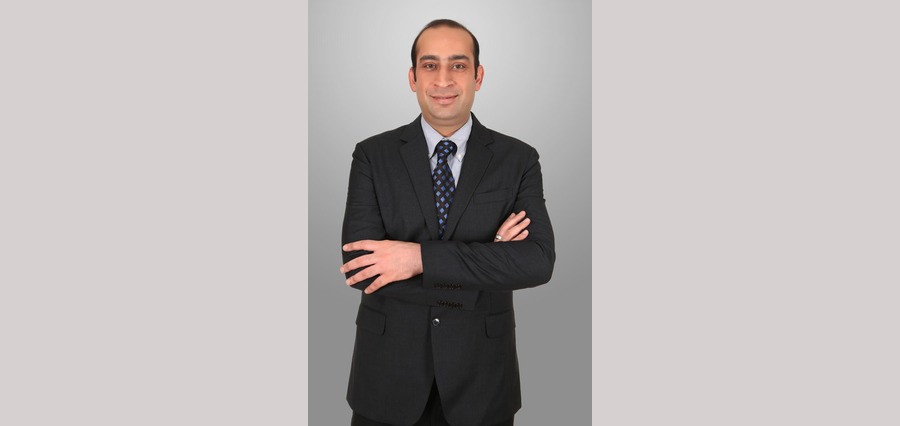
The city of Gurugram hums with the energy of a thousand corporate headquarters, each housing complex risks that many people never consider. Inside the offices of Policybazaar For Business, Amitabh Dewan looks at a digital map of industrial safety protocols and liability frameworks. For over two decades, he has watched the insurance broking industry in India grow from its early infancy in 2003 into the sophisticated giant it is today. While Policybazaar is famous for its retail presence, Amitabh was tasked with a different mission: building a specialized home for the largest corporate entities in the country.
He understands that a large corporation cannot simply buy insurance off a shelf. Their needs are intricate, and their expectations for risk management are high. To meet this demand, Amitabh led the creation of a unique business unit. It is a space where the deep wisdom of traditional broking meets the speed of modern technology. He describes this as a blend of two worlds. On one side are the essential, time-tested methods of identifying gaps in coverage and fixing policies. On the other side is a suite of tech solutions designed to make the daily life of a corporate risk manager much simpler.
Amitabh believes that professional life should not be complicated by paperwork and opaque processes. His goal is to remove the friction that usually follows large-scale insurance placements. By automating the tracking of claims and simplifying how risks are assessed, he enables his clients to focus on their own growth rather than their liabilities. Amitabh’s way of leading is about finding a good balance between new ideas and doing things the way they have always been done. He has been working on this approach for twenty-three years, making sure that every idea he gives to a client is based on facts and a lot of life experience.
Shifting the Corporate Lens from Expense to Essential Asset
Amitabh observes that the mindset of many private companies in India is still in a state of transition. Currently, over half of the business world views insurance simply as an unnecessary cost or a burden imposed by lenders and principals. Because major incidents are rare, many leaders treat these policies as a box to be checked rather than a strategic tool. Amitabh notes that past experiences with mis-selling or denied claims have created a layer of skepticism in the market. However, a significant group of forward-thinking companies is beginning to see things differently. These organizations use insurance as a robust way to hedge against the unknown, ensuring their covers are the best available in the country.
The Journey from Infant Stages to Industry Maturity
The growth of insurance in India is a story of steady progress. Amitabh believes the industry is still in its early stages, with a long road ahead before reaching full maturity. He points out that the best advocates for insurance are those who have experienced a loss and received fair compensation. When a company has experienced a property disaster or a legal crisis, that loss impact spreads through the industry. Unlike other products, insurance is rarely something a person wakes up wanting to buy. It is a service that requires careful explanation and a proactive approach.
The Post-Pandemic Shift in Risk Awareness
The global health crisis of recent years acted as a major turning point for risk perception. Before that time, many were indifferent toward life or health coverage. Today, Amitabh sees a massive change as financial advisors and business leaders alike treat insurance as a critical investment. This trend has moved from personal lives into the corporate boardroom. Businesses are no longer just looking for the minimum coverage; they are seeking high-value policies because they have seen how suddenly the world can change. This new awareness is helping to transform the landscape of corporate risk management into something much more intentional.
Transforming Reactive Habits into a Proactive Strategy
Most businesses typically reach out for Insurance advisory when a policy is about to expire or when a claim is long stuck. Policybazaar for Business is working to change this reactive behavior into a more strategic partnership. He leads a specialized team that begins working with clients months before a renewal date. For Amitabh, renewing a policy is not just a transaction or a matter of paying a premium. It is a period of discovery where his team helps a a corporate decide what should be insured, how much should be insured and, just as importantly, what risks the company should choose to retain.
The Art of Conscious Risk Retention
Policybazaar for business has a strong mechanism to guide clients that not every risk needs to be passed on to an insurance company. He guides decision-makers to take a conscious call on their terms and conditions. Since insurance is ultimately a contract of indemnity, he encourages a deep and careful look at the fine print. By helping corporations understand the exact nature of their contracts, he ensures they are not just buying a policy, but building a safety net that is tailored to their specific reality. He stands at his desk, reviewing a complex proposal for a new client, knowing that the true value of his work lies in the clarity he provides long before a crisis ever occurs.
Beyond the Flame: Navigating the Spectrum of Modern Property Risk
For Amitabh, the term fire risk is only the beginning of a much larger conversation about property safety. In the modern corporate world, simple fire insurance has matured into a sophisticated category known as property insurance. This broader shield covers everything from earthquakes, storms, Act of God perils to riots, strikes and malicious damage. Within the walls of Policybazaar for Business, Amitabh manages a variety of specialized covers. There are specially curated products for smaller enterprises, while massive corporations utilize bespoke wordings. There are multiple high-level tools allow for the drafting of custom wordings, moving far beyond the standard, regulated products of the past. Amitabh notes that as the sector opened to private and foreign players, the Indian market began adopting global standards, allowing for specific riders and extensions that cater to the unique perils of different industries, whether they are manufacturing steel or handling delicate fast-moving consumer goods.
The Anatomy of a Crisis: Why Seconds Matter
Amitabh identifies a recurring pattern in the incidents reported by his clients. Often, a devastating loss begins with something as small as a short circuit, loose wiring, or even inadequate housekeeping. He believes that the scale of damage is not just about the fire itself, but about the quality and quickness of the response. The first few minutes of an incident are the most critical. If action is not taken immediately, a small flame can lead to a total loss of assets. While many factories install hydrants and fire extinguishers, Amitabh often asks a difficult question: are employees actually trained to use them? Does every corporate have a quick response team clearly identified who will come to rescue? He stresses that while it is human nature to run for safety, businesses must invest in both human training and automated, laser-controlled systems that react to smoke and heat.
The Culture of Continuous Upgradation
One of the most common pitfalls Amitabh sees is the tendency to treat safety equipment as a one-time purchase. He uses a simple analogy: if a person upgrades their phone every few years to access better technology, they should do the same for their business continuity tools. Keeping a fire extinguisher for years without regular service or failing to upgrade to modern equipment is a gamble that few corporations can afford to lose. As technology moves from simple tools to complex, temperature-sensitive appliances, Amitabh encourages his partners to have continuous upgradation.
Facing the Frequency of Nature and Negligence
In his analysis of current trends, Amitabh points out that vulnerability is highest in industries handling hazardous goods or chemicals. However, a newer and more frequent threat has emerged from the natural world. He notes that “Act of God” perils, such as flash floods, have seen their return periods shrink dramatically. Events that used to happen once every five years are now occurring annually in many regions. This increase in repeated losses, coupled with incidents caused by minor human negligence, has pushed the frequency of claims higher than in previous decades. Amitabh watches these patterns closely, shifting his focus to how these companies can better prepare for a world where the unexpected is becoming the routine. He remains in deep consultation with his teams, looking for new ways to refine these protective barriers as the environmental landscape continues to shift.
Simulating Loss to Secure the Future
For Amitabh, the belief that simply “having a policy” is enough is a common but dangerous myth. He approaches risk from the opposite direction, starting at the end of the story. He begins by simulating potential losses within a specific industry to understand the true financial and operational impact of a disaster. By looking at the severity of a potential claim before it ever happens, he can return to the drawing board to suggest critical riders and add-ons that a standard policy might miss. This reverse-engineering of risk ensures that the sum insured is not just a number on a page, but a realistic reflection of what it would cost to rebuild and recover.
The Hidden Costs of a Changing World
In an era of shifting global dynamics, the threat of being underinsured is very real. Amitabh points out that many companies rely on outdated valuations for their assets. For instance, a piece of machinery imported years ago when the dollar was far lower would now cost nearly double to replace due to currency inflation and geopolitical changes. To counter this, he brings in professional valuers to conduct regular assessments every two or three years. This precision prevents a small saving in premiums from turning into a massive financial gap when a claim is filed.
AI-Driven Insight into Business Continuity
Amitabh’s vision for Policybazaar for Business is a blend of human wisdom and cutting-edge intelligence. The company uses AI-enabled tools to assess not just the risk exposure or quantum of physical damage to property, but the invisible damage because of such events. A fire incident can halt production, reduce profits, and bring unexpected costs like third-party liabilities in form of property damage or bodily injuries. By using these digital studies, Amitabh helps leaders understand the full ripple effect of a crisis, from lost fixed expenses to the cost of maintaining a workforce during a shutdown.
A Partner in Resilience, Not Just a Broker
With a Policybazaar for business portfolio of over 1,200 corporate clients across every sector, Amitabh treats every claim as a lesson. He views each incident as unique intellectual property that can be used to help other companies improve their processes. His approach involves a deep dive into every department of a client’s business—from HR and finance to supply chain and manufacturing—to understand who needs what and how much of it is truly insurable. He acts as a partner rather than a transactional agent, helping Risk Managers take a conscious call on which risks to transfer and which to manage internally.
The First Responders of Risk Management
When an incident occurs, Amitabh ensures that his team acts as the first line of support. The team provides immediate guidance to preserve the property: take specific photographs, record video evidence, and start the basic process which help establish the loss with surveyor and insurance companies. This handholding continues until the final documentation is complete and the funds are credited to the client’s account. To prevent these moments from occurring, he advocates for multiple loss prevention activities and quarterly internal revisions, ensuring that safety protocols are not just written but practiced.
Simplifying the Life of the Risk Manager
The goal of the technology team at Policybazaar for Business is to make the complex world of insurance uncomplicated. Amitabh is currently overseeing the development of mobile tools that replace manual emails and paperwork with a simple click. By consolidating recommendations and industry data into one platform, the quality of reporting becomes far more robust. He wants a risk manager to have 90% of their work done through a mobile app, allowing them to focus on safety rather than administration.
Building Readiness for a Warming Climate
As summer temperatures continue to rise year after year, Amitabh recognizes that climate change is a reality that production schedules will not wait for. While one cannot change the weather, we can help clients be more resilient against the impact of extreme heat. By conducting rigorous safety activities in the months before the peak of summer, he ensures that systems are ready for the increased stress. It is a philosophy of total readiness: preparing for what might happen while being fully equipped to handle it if it does. As his reputation for this proactive care grows, his existing clients have become his strongest brand ambassadors, spreading the word that true protection is about more than just a policy—it is about a partnership built on foresight and trust.