
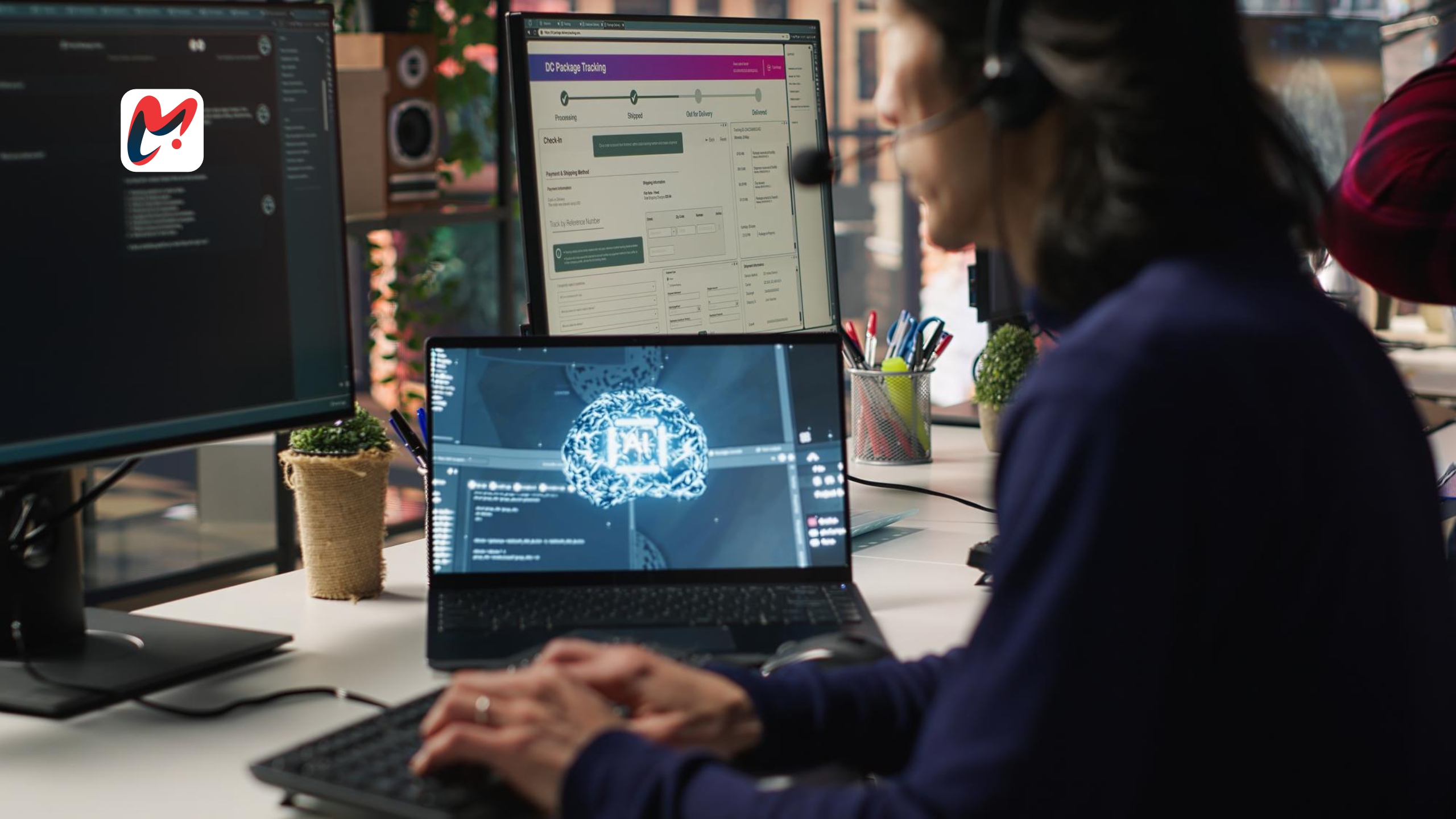
Artificial intelligence systems are evolving from simple task executors to intelligent agents capable of reasoning, planning, and adapting. At the center of this evolution lies agent workflow memory, a concept that enables AI agents to retain context, learn from prior interactions, and make better decisions over time. As organizations increasingly deploy AI agents in customer service, software development, data analysis, and automation, the ability to manage and utilize memory effectively has become critical.
Unlike traditional automation scripts that follow rigid instructions, modern AI agents operate through dynamic workflows. They gather information, perform reasoning steps, execute tasks, and adjust actions based on feedback. Without structured memory, these workflows become fragmented and inefficient. With robust agent workflow memory, however, systems can maintain continuity, accuracy, and personalization across complex processes.
Understanding the Role of Memory in Agent Workflows
In AI architecture, workflows define how tasks are broken down and executed. An agent may analyze a request, retrieve relevant data, perform computations, and deliver results. Throughout this process, memory plays a foundational role. Agent workflow memory allows the system to store intermediate results, track decisions, and reference earlier context within the same task or across multiple sessions.
There are generally different types of memory involved in AI agents. Short-term memory helps maintain context during a single interaction, while long-term memory stores persistent knowledge for future use. Together, they create a more coherent operational flow. For example, a virtual assistant helping with project management can remember deadlines mentioned earlier in a conversation and apply that information when scheduling tasks later.
Without memory integration, AI systems must repeatedly request the same information or risk making inconsistent decisions. This not only reduces efficiency but also weakens user trust. By incorporating agent workflow memory into their architecture, developers enable agents to function more like collaborative partners rather than reactive tools.
Enhancing Decision-Making and Context Awareness
One of the most transformative aspects of agent workflow memory is its ability to enhance contextual intelligence. AI agents frequently operate in environments where multiple variables influence outcomes. Memory ensures that earlier steps in a workflow inform subsequent decisions.
Consider a customer support AI that handles multi-step troubleshooting. The agent needs to recall what diagnostic steps have already been performed, what responses the user provided, and what solutions were attempted. By leveraging agent workflow memory, the system avoids redundant actions and moves logically toward resolution.
In enterprise environments, context awareness becomes even more critical. AI agents assisting with data analysis, compliance monitoring, or cloud operations must reference previous logs, policies, and outcomes. Memory allows them to recognize patterns and refine responses over time. This leads to improved accuracy and more reliable automation.
Moreover, context retention enables personalization. AI systems in marketing, healthcare, or education can adapt recommendations based on prior interactions. The result is a more tailored experience that aligns with user needs and preferences.
Technical Architecture and Implementation Considerations
Implementing agent workflow memory requires thoughtful design. Memory storage mechanisms must balance performance, scalability, and security. Developers often integrate vector databases, structured data stores, or hybrid memory systems to handle both structured and unstructured information.
Another key consideration is memory management. Not all information should be retained indefinitely. Effective systems distinguish between transient data and valuable long-term knowledge. Pruning outdated entries and summarizing large context windows are common strategies to maintain efficiency.
Security and privacy also play a significant role. When AI agents handle sensitive information, memory systems must incorporate encryption, access controls, and compliance mechanisms. Organizations must ensure that stored context aligns with data protection regulations and internal governance policies.
Agent workflow memory also interacts closely with reasoning engines. Advanced agents combine memory retrieval with planning modules that determine the next best action. This synergy allows AI systems to break down complex objectives into smaller tasks while maintaining awareness of overall goals.
Business Impact and Future Outlook
The adoption of agent workflow memory is reshaping how businesses approach automation and digital transformation. Instead of deploying isolated bots for single tasks, organizations are building intelligent agents capable of managing end-to-end processes. From onboarding new employees to managing IT incidents, memory-driven workflows create continuity and reduce operational friction.
In software development, AI coding assistants can remember project structures, style guidelines, and previously generated code. In financial services, agents can track transaction histories and compliance checks across sessions. In healthcare, systems can recall patient context to provide consistent recommendations. These applications highlight the growing importance of memory as a core component of AI infrastructure.
Looking ahead, advancements in large language models and reasoning frameworks will further expand the capabilities of agent workflow memory. Future systems may incorporate more sophisticated memory hierarchies, enabling agents to distinguish between episodic, semantic, and procedural knowledge. This evolution will bring AI closer to human-like problem-solving.
As organizations continue to explore autonomous systems, memory will define the difference between basic automation and intelligent collaboration. Businesses that invest in structured memory architectures will unlock higher efficiency, deeper insights, and more adaptive AI solutions.
Ultimately, agent workflow memory is not just a technical enhancement. It represents a shift toward persistent intelligence—systems that learn, adapt, and improve across every interaction. In a world increasingly shaped by AI-driven processes, memory-enabled workflows will form the backbone of resilient and context-aware digital ecosystems.