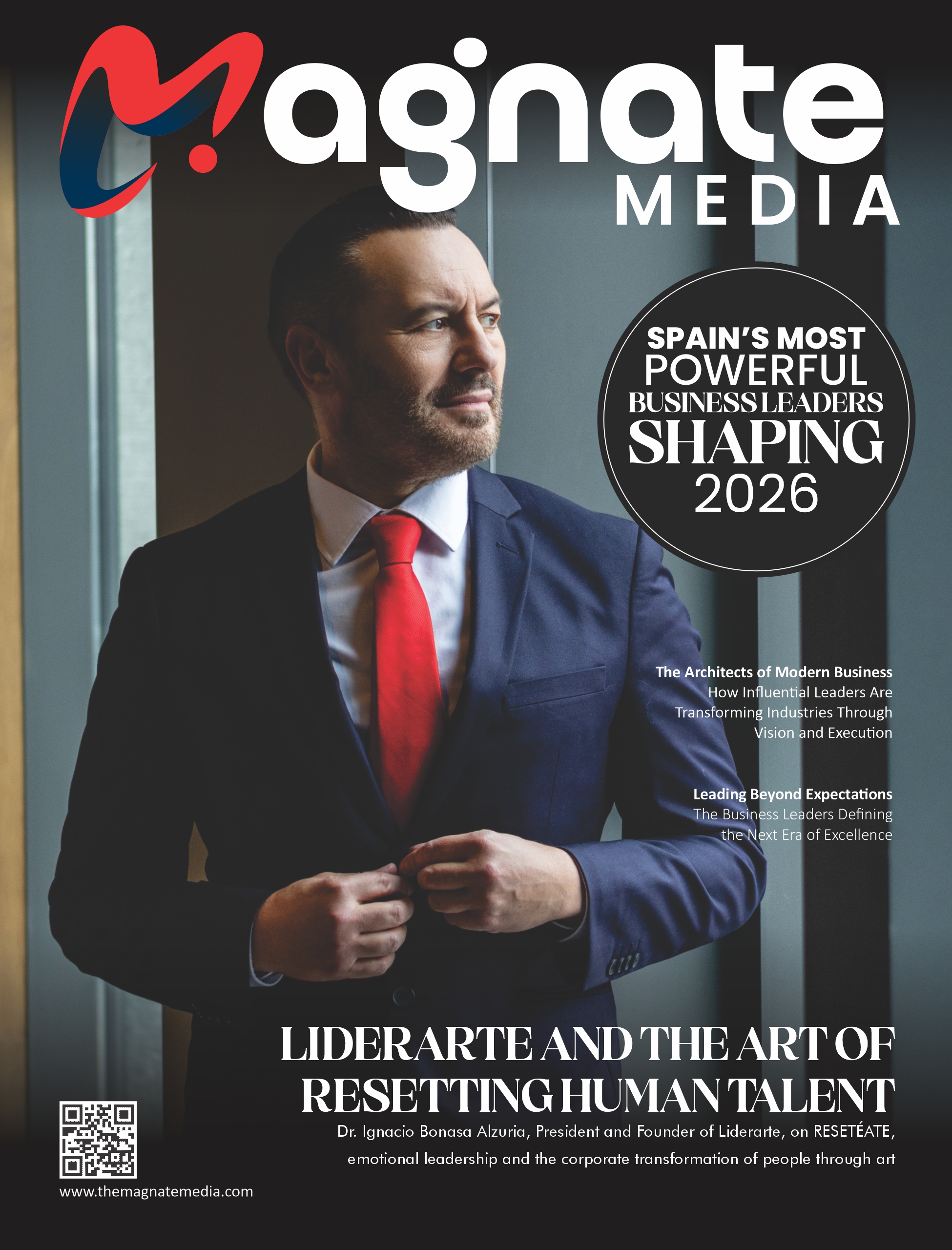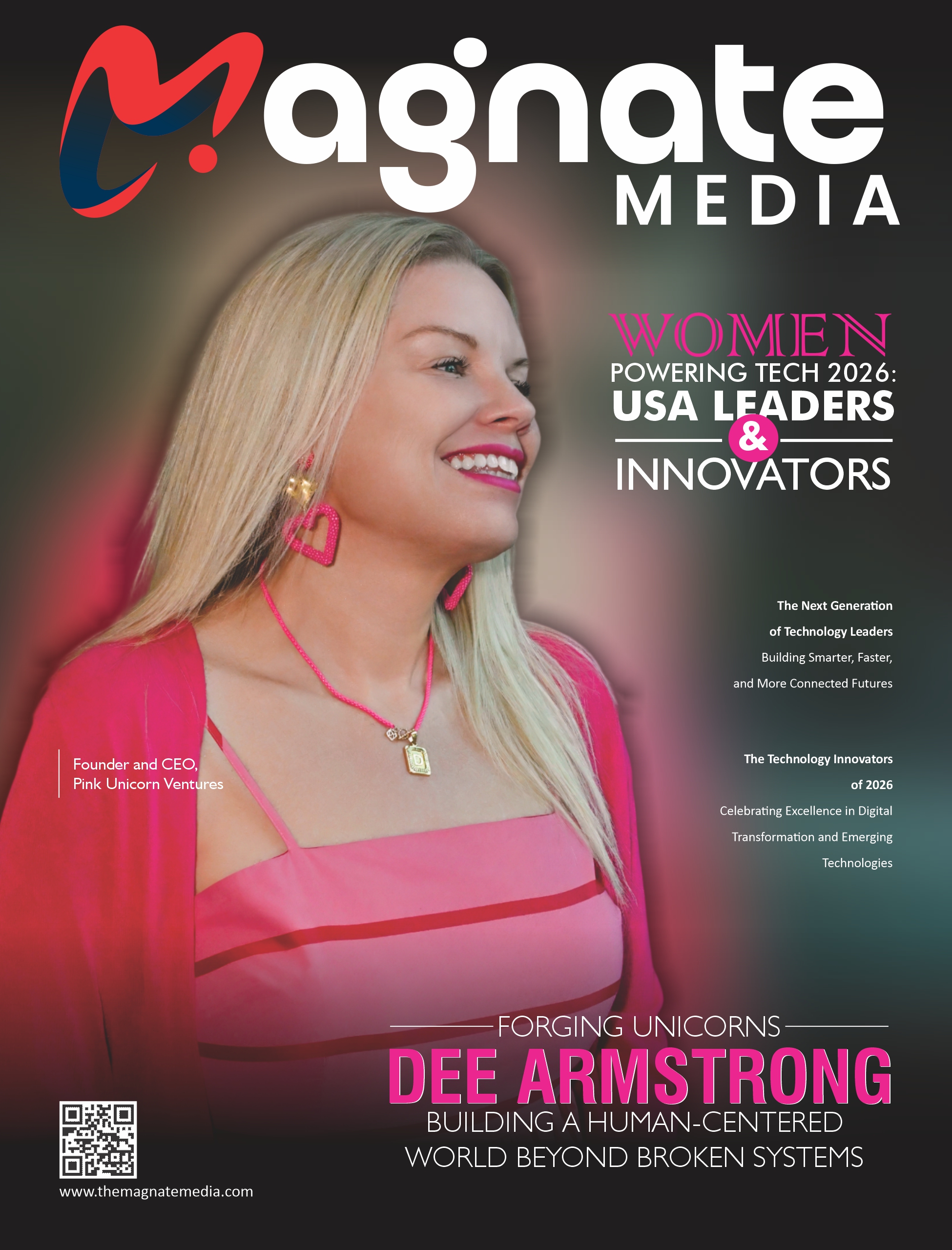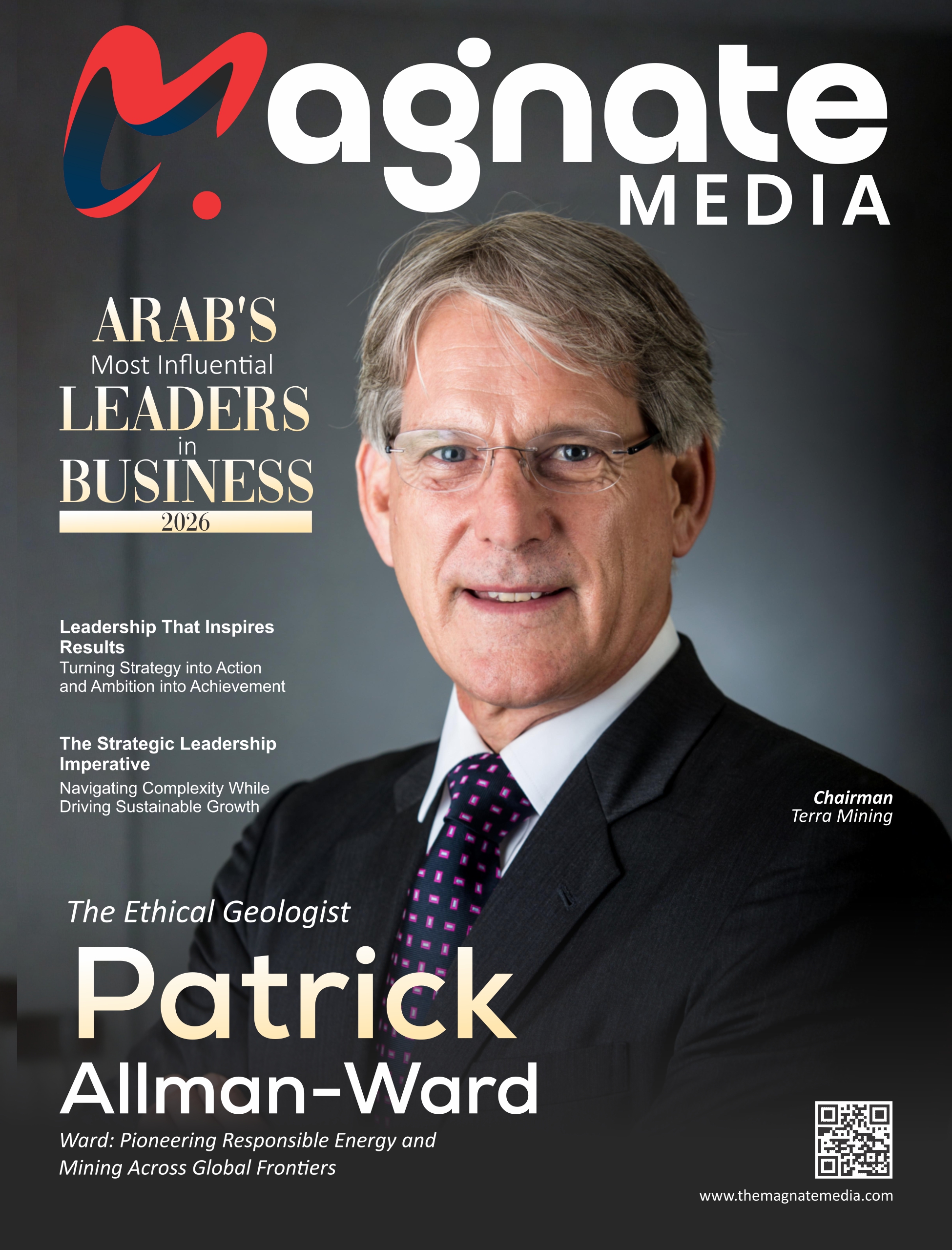

Back then, big business meant smokestacks, trains, rails – industrial grit shaped entire cities. Now? Minds matter more than machines, ideas outweigh iron. Think differently – that’s where power hides today. Wealth alone doesn’t cut it anymore. Influence spreads through screens, code builds empires. These leaders don’t just own companies – they redraw daily life. Future makers wear hoodies, not suits. Change runs on software, networks, vision. Not factories – but algorithms – now steer fortunes. This change shows how the world’s economy is changing fast, with ideas and reputation now matching machines and minerals in worth. To see why some people pull ahead and stay on top everywhere, you need to study what makes them different from everyone else.
The Visionary Mindset Meets Calculated Risks
True business magnates differ from regular executives by spotting opportunity in what looks like disorder or waste to most. Noticing patterns ahead of time gives them an edge few understand at first. Intelligence matters less than staying hungry, asking questions constantly, always testing limits. Failure doesn’t scare them – instead, it fuels their next move. Where others settle after winning, these rare figures push forward, treating each win as a stepping stone into something larger and more uncertain. Out of nowhere, some leaders step into fields they’ve never touched before. Instead of backing down, they build teams full of people who know the ins and outs. With clear direction and steady judgment, these newcomers shake up old systems. Stuck routines in long-quiet industries start cracking under new pressure. Because someone looked at the problem sideways, change finally moves through like wind.
Building Ecosystems Rather Than Simple Companies
In the modern era, the most influential leaders don’t just sell products; they build entire ecosystems. A business magnate understands that a single successful company is vulnerable to market fluctuations, but a web of interconnected services creates a moat that is difficult for competitors to cross. We see this in how tech giants integrate hardware, software, and financial services into a seamless experience. By controlling multiple touchpoints of a consumer’s life, they ensure long-term relevance and steady revenue streams. This systemic approach requires a level of organizational mastery that goes beyond mere management. It involves balancing the autonomy of individual business units with a centralized vision that keeps the entire machine moving toward a singular, ambitious goal. This ability to manage complexity at scale is perhaps the most defining characteristic of the elite tier of global commerce.
The Role of Personal Branding and Social Influence
We have entered an age where the personality of the leader is often as famous as the corporation itself. The modern business magnate is frequently a public figure, using social media and public appearances to build a cult of personality that drives brand loyalty. This visibility is a double-edged sword, offering a direct line of communication to the consumer while making the company’s stock price susceptible to the leader’s personal reputation. However, when managed correctly, this personal brand acts as a powerful marketing tool that can lower customer acquisition costs and attract top-tier talent who want to work for a legendary figure. The influence of these individuals often extends into the realms of politics and philanthropy, where they use their vast resources to address global challenges. This transition from corporate leader to societal architect is the final stage of their professional evolution, cementing their legacy in history books rather than just financial ledgers.
Adaptability in the Face of Technological Disruption
The digital age has proven that no empire is too big to fail. A business magnate who cannot adapt to the rise of artificial intelligence, blockchain, or renewable energy will quickly find themselves sidelined. Therefore, the hallmark of the current generation of leaders is a commitment to “constant beta.” They are never finished building and are always looking for ways to disrupt their own business models before a startup does it for them. This requires a culture of radical transparency and a flat organizational structure that allows ideas to bubble up from the bottom. By fostering an environment where innovation is prioritized over hierarchy, they ensure that their organizations remain agile despite their massive size. Staying at the top of the food chain in the twenty-first century is an endurance sport that demands a level of mental flexibility and technical literacy that was rarely required of the industrial giants of the nineteenth century.
Looking Toward the Future of Global Enterprise
As we look forward, the path to becoming a business magnate will likely involve a deeper integration of sustainability and ethical responsibility. The next generation of consumers is increasingly focused on the social impact of their purchases, and the leaders who thrive will be those who can align profit with purpose. The era of the “robber baron” is long gone, replaced by a demand for transparency and corporate citizenship. Those who can navigate these social expectations while still delivering exceptional financial returns will be the ones who define the next century of trade. The landscape of power is shifting from those who own the machines to those who own the data and the trust of the public. In this new world, the title of a titan is earned not just through the accumulation of wealth, but through the meaningful advancement of the human experience.