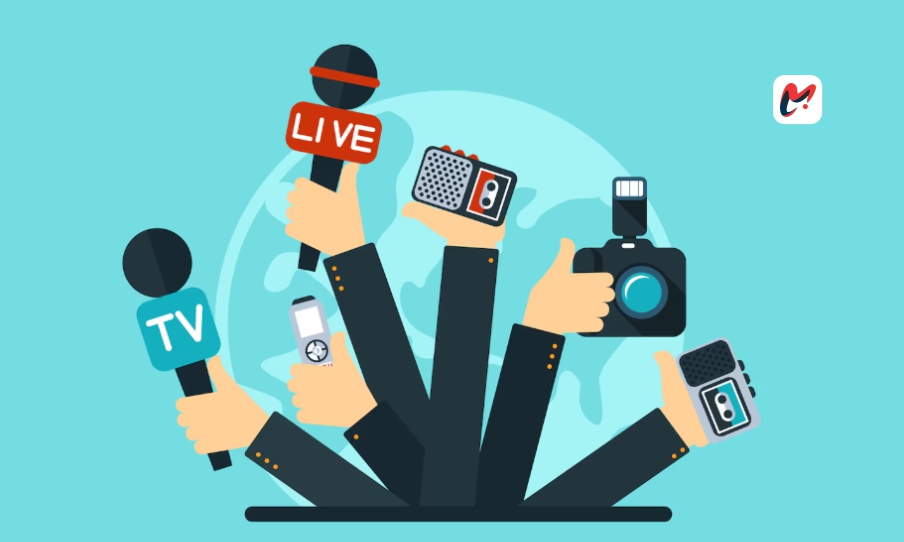
In the modern global society, the speed of information transmission is higher than ever before. The news is distributed across continents in seconds, the opinion is shaped in a lighting instant, and the discourse of the population is changing all the time. Media power is the core of this change as it determines the way of thinking of people, what they believe in and the reaction of societies to the occurrences. The power of controlling and disseminating information has turned out to be one of the strongest forces of the modern culture, politics, and business not only through newspapers and television but also through social media and other digital publishers.
The scope and power of communication channels has increased significantly within the last twenty years. With the growth of technology, came the development of platforms through which stories, opinions and narratives are being presented. This change has seen information being more accessible and more complicated. The degree of influence that works via communication channels can assist individuals and organizations to negotiate the emerging information ecosystem more efficiently.
Media Power in a Digital Age.
In the greater part of the twentieth century, dissemination of information was the prerogative of a small group of institutions. The main gatekeepers of information by the people were through newspapers, radio stations and television networks. The editors and journalists would determine what stories were worthy of coverage and the manner in which they were to be delivered to the audience.
This structure was essentially altered by the emergence of the internet. Digital platforms also eliminated a lot of obstacles that existed in the publishing, and people, organizations, and communities could share content in real-time. This led to the change of media power in a centralized system to a more distributed ecosystem where power can be created through unforeseen sources.
The social media platforms, blogs, podcasts, and independent creators of content are now playing an important role in influencing the masses. Although the traditional outlets still offer a significant role, they do not exist in isolation as there is a huge network of the digital voices. This information revolution has not only democratized information but also presented the issues of credibility, misinformation, and spreading unverified information in a short period of time.
The modern information landscape is therefore defined by both opportunity and responsibility. Anyone with a smartphone and an internet connection can contribute to the global conversation, making the dynamics of influence more complex than ever before.
How Media Power Shapes Public Perception
One of the most significant aspects of media power lies in its ability to frame narratives. The way a story is presented can influence how audiences interpret events, individuals, and policies. Headlines, imagery, tone, and context all contribute to shaping public perception.
For example, the emphasis placed on certain topics can elevate them into national conversations, while others may receive little attention despite their importance. Through repeated coverage and strategic storytelling, communication platforms can guide audiences toward particular viewpoints or interpretations.
This influence is particularly visible during major global events such as elections, economic crises, or social movements. The flow of information during these moments can affect decision-making, mobilize communities, and shape collective responses. Governments, corporations, and advocacy groups recognize this influence and often engage with communication channels strategically to amplify their messages.
At the same time, audiences are becoming more aware of how narratives are constructed. Media literacy is increasingly important, enabling individuals to critically evaluate sources, identify bias, and distinguish fact from opinion.
The Role of Media Power in Business and Branding
Beyond politics and public affairs, media power plays a significant role in the world of business. Brands rely heavily on communication channels to build reputation, attract customers, and maintain trust. A single news story, viral campaign, or influencer endorsement can dramatically influence how consumers perceive a company.
Organizations today must navigate a complex environment where brand reputation is shaped not only by advertising but also by conversations happening online. Customer reviews, social media discussions, and digital news coverage contribute to a brand’s public image.
Strategic communication has therefore become a critical business function. Companies invest in public relations, content marketing, and digital engagement strategies to ensure their narratives reach the right audiences. Transparency and authenticity have become essential, as audiences expect organizations to communicate honestly and respond quickly to concerns.
The impact of communication channels on brand perception also highlights the importance of crisis management. Negative coverage or misinformation can spread rapidly, requiring businesses to respond promptly and effectively to protect their reputation.
Navigating the Future of Media Power
As technology continues to evolve, the influence of information networks will only grow stronger. Artificial intelligence, data analytics, and algorithm-driven platforms are already shaping how content is distributed and consumed. Personalized news feeds and recommendation systems determine what individuals see, often reinforcing existing interests and perspectives.
This technological shift raises important questions about accountability and transparency. Platform operators, publishers, and policymakers are increasingly discussing how to ensure that information ecosystems remain reliable, balanced, and trustworthy.
The future of communication will likely involve a combination of innovation and regulation. While new technologies will expand opportunities for storytelling and engagement, societies must also address challenges related to misinformation, digital manipulation, and ethical communication practices.
Understanding media power is therefore essential for individuals, businesses, and institutions alike. It is not simply about controlling information but about recognizing the profound influence that communication networks have on society. In a world where narratives can travel globally within seconds, the responsibility to share accurate and meaningful information has never been greater.
Ultimately, the ability to influence conversations and shape perspectives will continue to define leadership in the digital era. Those who understand how information flows—and how audiences interpret it—will be better equipped to navigate the rapidly evolving landscape of global communication.