Key Points
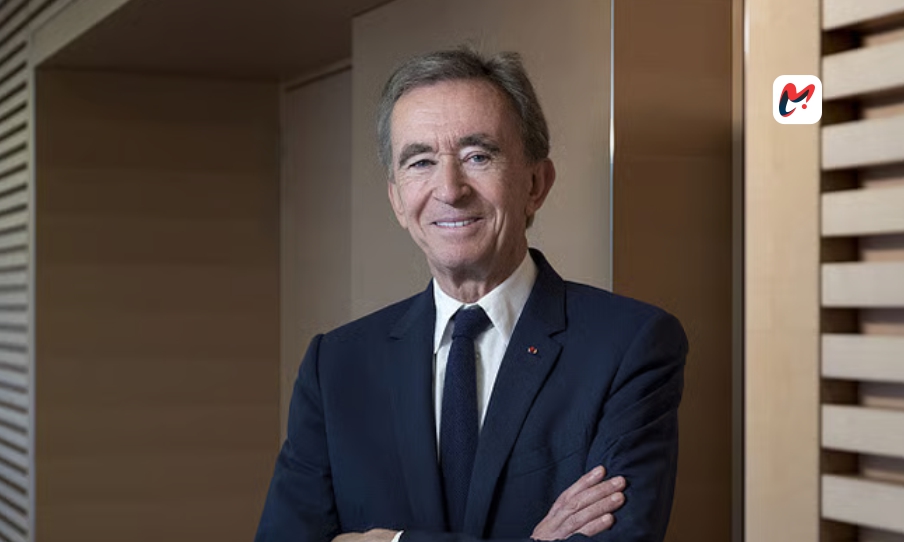
- Bernard Arnault leads LVMH, the world’s largest luxury‑goods group, controlling over 75 brands across fashion, wines, and accessories.
- His net worth exceeds $200 billion, making him one of the three richest individuals globally, with assets concentrated in branded consumer‑goods and retail.
Highlight
- Arnault’s strategy centers on selective acquisitions, brand‑heritage preservation, and premium‑pricing power, which has sustained high‑margin growth even during economic downturns.
- His influence extends beyond France, shaping global retail‑landscape trends, real‑estate choices, and high‑end tourism‑linked retail in cities such as Paris, Milan, and Dubai.
Background
Back in 1949, Bernard Arnault came into the world. During the 1980s, he took over Boussac – a struggling company owned by the French government. That move became the seed for something much bigger: today’s LVMH Moët Hennessy Louis Vuitton. It stands as the leading luxury brand globally when measured by stock market value. Instead of spreading thin, he focused on smart purchases – bringing names like Christian Dior and Fendi under one roof. Givenchy joined next, followed later by Tiffany & Co., then Bulgari. Through all this growth, one thing stayed central – the strength of Louis Vuitton’s bags and clothing lines. These pieces keep profits high year after year. His reach now extends far beyond fashion. Fragrances fill some shelves, makeup others; timepieces sit beside rings made of gold and stones. Vineyards supply wine, distilleries pour spirits, shops open in quiet corners of cities worldwide. Yearly earnings climb toward staggering numbers – in the range of hundreds of billions in euros. Each part connects, yet each holds its own weight.
He led LVMH to focus on strict image management, narrow availability, yet high price appeal, which helps keep profit levels past 40% across key brands. Instead of spreading wide, the business pours resources into grand physical stores, online shopping tech, along with rare joint projects that stress rarity more than growth in numbers. Because his family owns big stakes through Christian Dior SE and linked entities, he holds more than 70% of voting power, placing vast corporate influence under one household’s grip.