
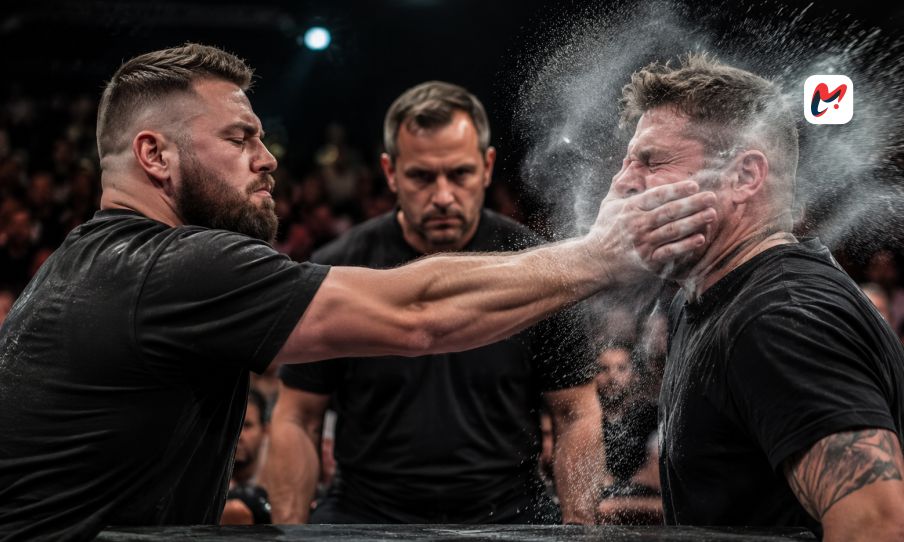
In the last few years, the world of combat sports has changed beyond recognition due to the impact of social media and the desire of people to see sensational content. One of the most controversial combat sports that gained popularity through the internet is slap fighting. This sport is different from the ones people are used to watching because it does not involve the chivalry of traditional martial arts and focuses on the most basic forms of combat. While some people consider slap fighting to be a dangerous novelty, others believe that it represents the future of combat sports. In order to understand why slap fighting became so popular and why it continues to be a subject of heated debates among sports authorities, it is necessary to examine the nature of slap fighting itself and see why it entertains people all over the world.
The Origins of a Viral Phenomenon
Slap fighting tournaments started in Europe as underground events, but the addition of social media to the mix has significantly contributed to the popularity of the sport. The sport’s simplicity is its most prominent feature, which is why it became a viral hit. Unlike a standard fifteen-minute match of a combat sport that requires knowledge and experience to be understood, slap fighting only takes a few minutes to follow. This feature in particular, along with the accessibility of the sport, allowed slap fighting to go viral on the internet. The sport’s matches are short, brutal affairs that do not require any prior knowledge or skill to be appreciated by the general audience. This has allowed slap fighting to gain not only popularity but views, with hundreds of millions of people watching slap fighting matches online. It is this characteristic that has made slap fighting a target for combat sports promoters, who have tried to make the sport official and bring it into the mainstream. The rules, weight classes, and proper safety regulations have been introduced, which has made slap fighting more legitimate in the eyes of the public. However, the sport’s rapid rise to popularity has also caused controversy among traditional combat sports authorities.
The Medical Debate and Safety Concerns
The primary source of controversy surrounding slap fighting lies in its fundamental design, which completely eliminates the concept of defense. In boxing, mixed martial arts, or kickboxing, athletes spend years perfecting the art of avoiding, deflecting, or absorbing impact through head movement and guard positioning. In contrast, participants in slap fighting must stand completely still, with their hands held behind their backs, exposing their faces to a full-force blow. This lack of defensive action has raised alarm bells among neurologists, brain injury advocates, and athletic commissions worldwide. Critics argue that the sport essentially guarantees brain trauma, as competitors are unable to protect themselves from concussive forces. Medical professionals point out that the visible signs of a successful strike, such as a competitor stumbling or losing consciousness, are direct indicators of acute neurological injury. Promoters of slap fighting counter these arguments by highlighting their strict medical screening processes, post-fight care, and the presence of trained catching personnel who prevent competitors from hitting the floor. They also argue that the total number of impacts in a match is far lower than in a typical boxing bout, where a fighter might absorb dozens of head punches over several rounds. Nevertheless, the medical community remains largely unconvinced, arguing that even a single unprotected blow can have lasting consequences on an athlete’s long-term brain health.
The Future of the Sport
Despite the intense scrutiny, the commercial momentum behind slap fighting shows no signs of slowing down. Major television networks and streaming platforms have secured broadcasting rights, drawing impressive viewership numbers that rival traditional sports leagues. Sponsors are beginning to invest in individual competitors and events, recognizing the massive reach and engagement of the fan base. This financial viability suggests that slap fighting is transitioning from a passing viral trend into a permanent fixture of the combat sports landscape. As the industry matures, we are likely to see more rigorous athletic training, specialized coaching, and perhaps even technological advancements in protective gear or impact measurement. The ultimate survival of the sport will depend on its ability to balance its raw, visceral appeal with the growing pressure for athlete safety and regulatory compliance. If promoters can successfully navigate these challenges, slap fighting may well secure its place in mainstream culture, proving that in the digital age, the simplest ideas are often the most powerful.
A New Era of Entertainment
As society continues to consume media at an accelerated pace, entertainment formats must adapt to keep up. While purists may struggle to accept this new athletic endeavor, its cultural impact is already undeniable. The ongoing evolution of public interest suggests that audiences are increasingly drawn to events that offer clear, unfiltered resolution without unnecessary complexity. Whether this activity remains a spectacle or achieves true sporting legitimacy, it has undeniably reshaped how promoters conceptualize audience engagement in the era of combat sports.