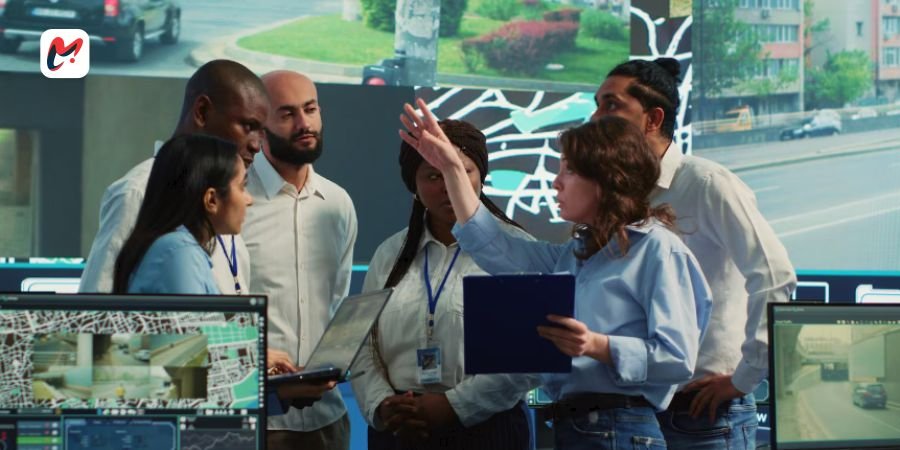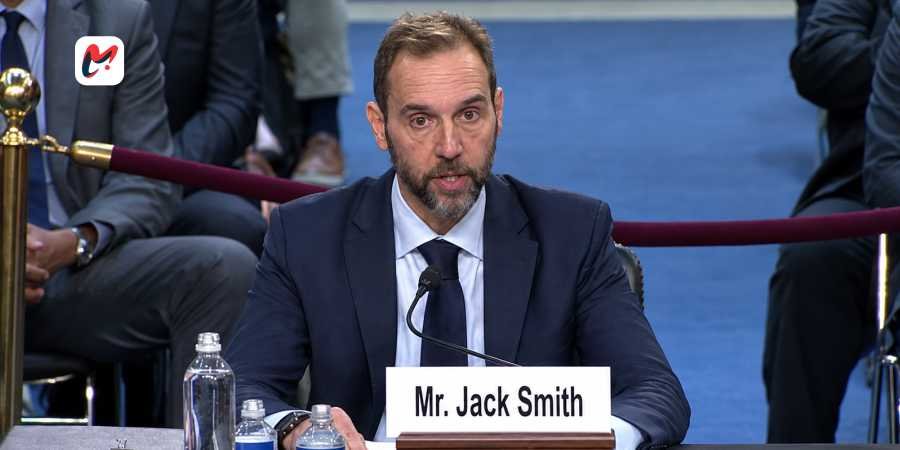
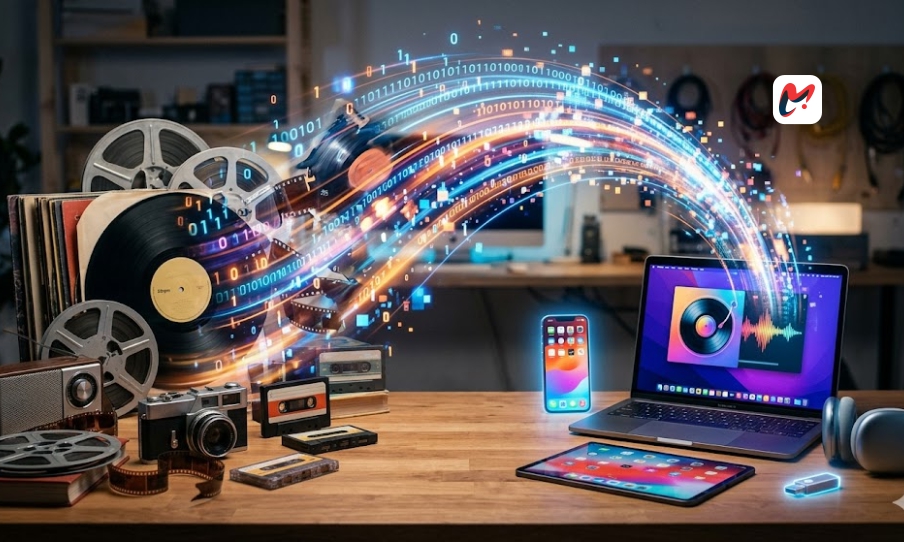
Screens now shape reality more than stations ever did. Power moves fast when anyone can share what they see. Fewer people wait for nightly updates because answers appear instantly through pockets and palms. Truth spreads sideways now – peer to peer – not just top down. Old control fades as fresh voices fill feeds without asking permission. Watching changes into doing each time someone taps reply or reshare. Being informed means sorting streams instead of trusting one source. What feels real shifts faster than facts settle. Boundaries blur between witness, reporter, audience. Attention pulls harder than authority used to. Knowing demands effort no guidebook offers.
The End of Fixed Systems and the Growth of Flexible Information
Most days back then, news moved one way only – straight down from big outlets to living rooms. A household huddled near one TV each evening instead families once relied on printed pages delivered at dawn. Now things shift differently since old lines have blurred beyond recognition. What we see today reshapes itself constantly while jumping between screens without pause. This shift allows one tale to begin as a short update online, then grow into a filmed analysis, later unfolding into deep reporting – each step guided by what people say along the way. Gone is the old model of mass broadcasting, replaced by scattered spaces of thought where small groups find footing, yet common ground slips further out of reach.
Algorithmic Governance and the New Gatekeepers of Attention
While the democratizing force of the internet promised to set information free, the actual mechanics of this media transformation have introduced a different kind of control. We have moved from human editors to algorithmic curators. These invisible lines of code now determine what reaches our eyes and ears, prioritizing engagement and emotional resonance over objective importance. As the business model of information shifted from subscriptions to attention-based advertising, the nature of the content itself changed. It became faster, louder, and more polarized. This shift has created a paradoxical environment where we have more access to information than any previous generation, yet we are often trapped within “filter bubbles” that reinforce our existing biases. Understanding this dynamic is crucial for anyone trying to navigate the modern digital sea without being swept away by the current of programmed outrage.
The Creator Economy and the Professionalization of the Individual
One of the most visible results of the ongoing media transformation is the emergence of the creator economy. The barriers to entry for high-quality production have vanished. A teenager in their bedroom can now command an audience larger than some national television networks using nothing but a smartphone and a compelling perspective. This has led to a professionalization of the individual, where personal branding and direct-to-consumer relationships are the new currency. However, this democratization comes with its own set of pressures. Creators must navigate the precarious balance of maintaining authenticity while satisfying the demands of platform algorithms. This facet of the media transformation has also forced legacy organizations to pivot, often mimicking the style and tone of independent creators to remain relevant to a demographic that views traditional corporate polishedness with suspicion.
Redefining Trust in an Era of Synthetic Reality
As we look toward the future, the most pressing challenge of this media transformation involves the blurring of lines between the real and the synthetic. The integration of artificial intelligence into the creative process means that images, voices, and even entire personas can be generated with startling realism. This technological leap adds a new layer of complexity to our information diet. We are entering a phase where the “seeing is believing” mantra no longer holds weight. This necessitates a new kind of literacy—one that goes beyond basic fact-checking to include an understanding of metadata, source provenance, and the psychological tactics used to manipulate digital perception. The media transformation is moving us toward a world where trust is not granted by default to an institution, but is earned through transparency, consistent verification, and the ability to foster genuine community engagement.
Emerging Horizons and the Path Forward
The journey of media transformation is far from over; in many ways, we are only at the end of the beginning. The next wave will likely involve even deeper immersion through augmented and virtual spaces, where the distinction between the physical and digital worlds becomes almost nonexistent. As we inhabit these new spaces, the ethical considerations regarding data privacy and mental well-being will take center stage. We are learning that while technology can scale communication, it cannot automatically scale empathy or understanding. The success of this media transformation will ultimately be measured not by the speed of our connections or the resolution of our screens, but by our ability to use these powerful tools to build a more nuanced and resilient global conversation. We must remain vigilant, curious, and critically minded as we continue to shape, and be shaped by, this ever-evolving landscape.