
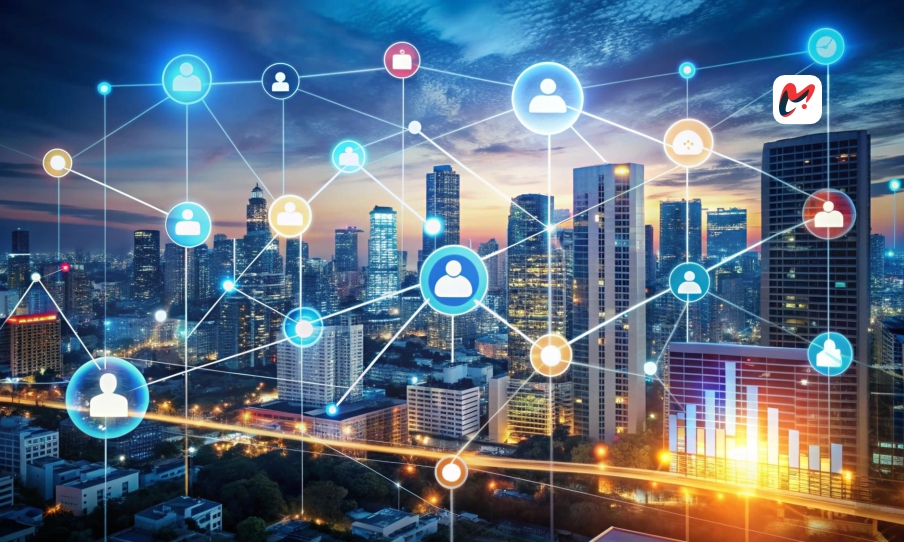
Out there beyond brick-and-mortar shops, how things get bought and sold keeps changing shape. Rooted in something most folks see without really seeing it – that’s where this way of doing business lives. Dig into what network marketing actually means, and you hit a setup fueled by real talk between people, plus the push of self-run sellers. Big companies blast ads at crowds they’ll never meet, spending stacks to grab attention. This path takes another turn: someone who likes a product passes it along through their own contacts. A nod from someone you know? That tends to land harder than some flashy sign online or beside a highway. Instead of paying big fees to go through standard channels, businesses shift that money toward rewards for real people driving purchases. Because of this setup, buyers start acting like promoters, mixing roles until it’s hard to tell where shopping ends and selling begins.
The Structure of How Things Move Through Multiple Levels
Picture how network marketing works by focusing on its layout, which sets it apart from regular selling jobs. While typical sales roles follow a straight path – one person sells, then gets a set fee – this model builds upward in layers. Compensation here grows sideways too; you earn from your own deals, yet also gain when others you brought in make sales. The setup rewards effort beyond just face-to-face transactions. What pulls folks into this field usually comes down to extra earnings. Not like desk jobs where your paycheck stops at you. When someone gathers a team around them, they shift into coaching mode – guiding others while getting a slice of the total output. Their gain ties directly to how well their group performs. That link pushes everyone toward learning together and lifting each other up. Some might mix this model with different setups, but one thing sets it apart: real products or services reaching regular buyers, not just insiders passing things among themselves.
Distinguishing Legitimate Business from Common Industry Myths
There is often a significant amount of “noise” surrounding this industry, leading many to ask what is network marketing in a way that implies skepticism. It is crucial to distinguish between a legitimate direct-selling enterprise and fraudulent schemes that lack a real product. In a healthy network environment, the primary source of revenue is always the sale of high-quality goods. Whether the product is specialized nutrition, high-end skincare, or innovative technology services, the value must exist independently of the business opportunity. If a system focuses almost exclusively on recruitment fees or requires participants to purchase massive amounts of inventory that they cannot reasonably sell, it strays away from the ethical foundations of the industry. Understanding what is network marketing requires looking at the regulatory standards that govern it, ensuring that transparency and consumer protection remain at the forefront. Legitimate companies provide extensive training, marketing materials, and a clear path for growth that is based on merit and productivity rather than just being “first” to join.
The Role of Digital Transformation and Social Media
The advent of the internet has completely revolutionized how we answer the question of what is network marketing today versus twenty years ago. In the past, this business required physical meetings, living room presentations, and a lot of time spent on the telephone. Today, the “network” in network marketing has gone global. Social media platforms have provided a digital stage where individuals can build personal brands and reach thousands of potential customers with a single post. This digital shift has made the model more accessible than ever, allowing stay-at-home parents, students, and full-time professionals to integrate a side business into their daily digital lives. However, this ease of access also brings the challenge of maintaining authenticity. The most successful people in this space are those who use digital tools to enhance human connection rather than replace it. They understand that while a laptop allows them to manage their business from anywhere, the core of what is network marketing remains rooted in building trust and solving problems for their community through high-touch communication and reliable service.
Evaluating the Potential for Personal and Financial Growth
When someone begins to investigate what is network marketing for their own professional path, they are often looking for more than just a paycheck. This industry is frequently cited as a “business school for the people” because of the intense focus on personal development. To succeed, an individual must master skills in public speaking, time management, emotional intelligence, and leadership. These are transferable skills that provide value in any career path. From a financial perspective, the model offers a low barrier to entry compared to starting a traditional franchise or a tech startup. There are no expensive leases to sign or massive payrolls to manage at the start. Instead, the risk is largely measured in time and effort. While the stories of overnight success are often exaggerated, the reality of what is network marketing is that it provides a scalable platform for those willing to treat it like a profession. It offers a unique blend of autonomy and community, where the ceiling on one’s progress is determined by their own work ethic and their ability to empower others to achieve similar results.
Final Perspectives on the Future of Direct Sales
As we look toward the future, the relevance of this model only seems to grow as the “gig economy” becomes the standard rather than the exception. People are increasingly looking for ways to diversify their income streams and regain control over their schedules. In this context, what is network marketing if not a precursor to the modern influencer economy? It represents a democratization of business ownership, giving anyone with a smartphone and a drive to succeed the chance to build something of their own. As long as there is a demand for personalized service and high-quality products, the network-based model will likely continue to thrive. It challenges us to rethink how we define a “job” and encourages a more entrepreneurial mindset in a world that is becoming more connected every day. For the discerning individual, it remains a powerful vehicle for change, provided they approach it with a clear head, a commitment to ethics, and a willingness to learn the intricacies of the craft.