In 2026, big names in industry aren’t just watching change – they’re making it happen across factories worldwide. Instead of sticking to old ways, they blend clean energy shifts with smart machines and online-based operations. Take Dr. Sultan Ahmed Al Jaber, once seen as part of a powerful few, now leading moves toward electric-powered sites and networks that emit less carbon. His recognition by ICIS as one of the year’s top influencers highlights this shift. Money flows into these efforts via eco-focused bonds, mixed funding tools, along with joint deals between governments and companies – cutting down financial danger for those stepping forward first.
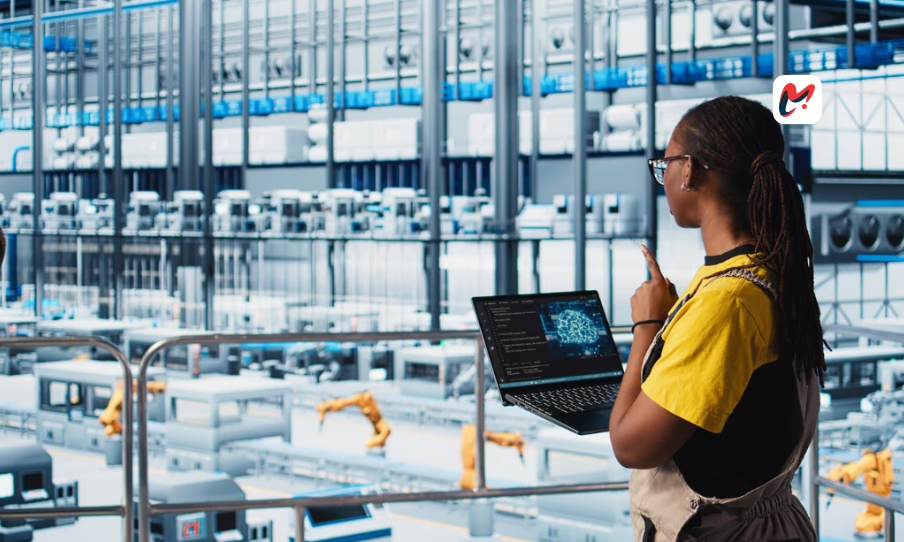
While cutting carbon, big companies pour money into smart maintenance systems run by artificial intelligence, along with robots and virtual copies of factories – each helping plants produce more with less wasted power or materials. Workers on the floor now get chances to learn new skills through training efforts aimed at shifting them into oversight, data handling, or tech support positions instead of pushing the idea that machines just take jobs away. Factory bosses point out that combining eco-friendly practices with digital tools gives an advantage overseas, especially as customers want proof of lower emissions and clear records about how goods are made and shipped.
Out past the usual examples, real shifts show up in Gulf energy zones, European factory belts, plus Asian industrial clusters – each carving its own route to cleaner, higher-value output. When these spots start aligning rules and verification across borders, they quietly shape how industry adapts under tighter climate limits.