
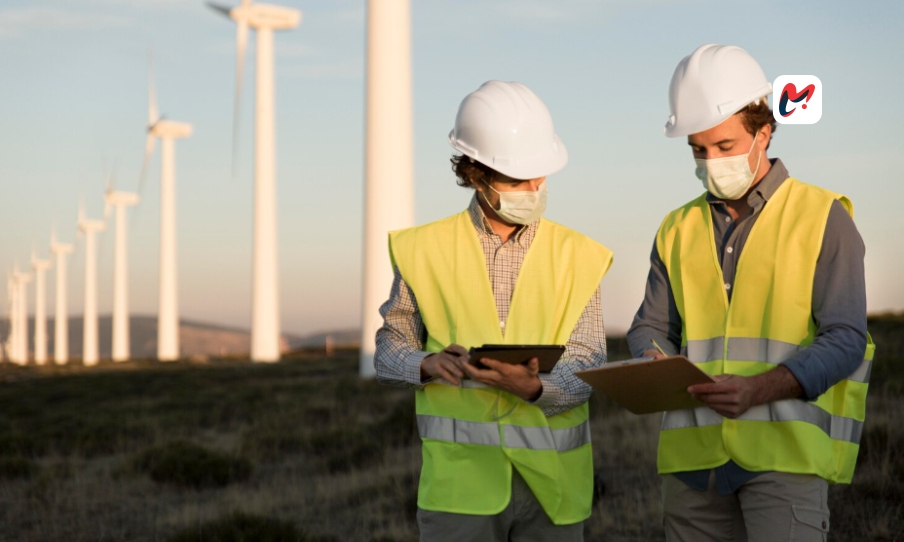
By 2026, big names in heavy industry start shifting how things get built – green methods take root, smart machines run tasks, while tougher supply chains hold everything together. Take those running steel and materials firms, say at Worthington or Kloeckner – they’re putting money into robot-assisted assembly, ovens that sip power instead of gulp it, plus digital eyes checking every product detail, which slashes pollution even as output climbs. Behind these moves, top figures link up with builders of power grids and local energy suppliers, locking down small-scale electric networks fed by wind and sun right where factories hum, making massive facilities live labs for cleaner ways to produce.
Meanwhile, top figures in logistics and material handling – like those running Vistra Energy and similar infrastructure companies – are scaling up new gas-powered stations along with smart monitoring tools, helping keep electricity networks steady as worldwide energy needs grow. Instead of waiting, factory owners now rely on artificial intelligence to foresee equipment failures, while virtual replicas of machinery test performance under stress, blending hands-on know-how with live data flows.
One step ahead, some bosses push rules so green targets match across borders. Data flows smoothly between factories because shared systems now speak the same language. Workers learn new skills through training built for smart machines running entire plants. By 2026, leading names in industry stand out – not by how much they make – but by weaving clean energy, robotics, and strong digital backbones into one clear plan. That plan? It pulls supply chains worldwide into a different era.