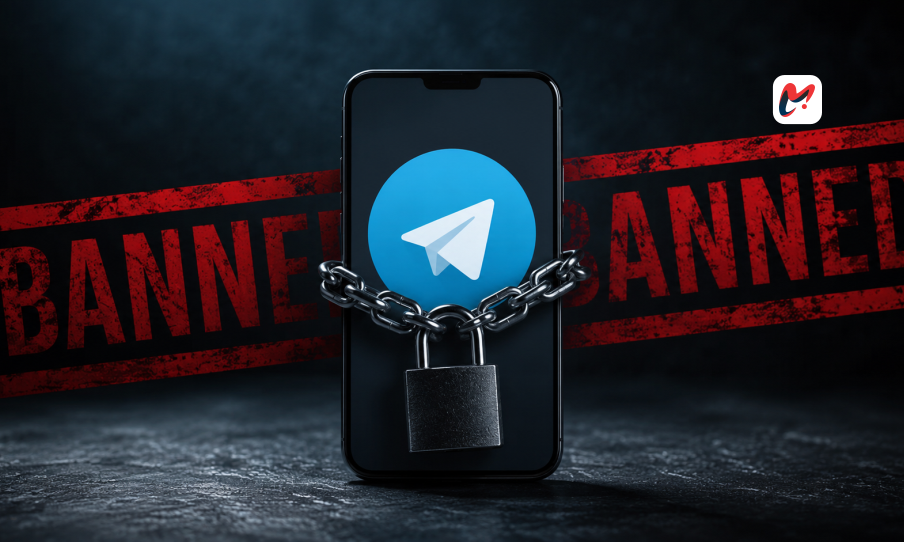
Out of nowhere, concerns about safety, talking online, and who controls the web have stirred heated arguments worldwide on how much authority countries should hold in digital spaces. Sitting right in the middle? A growing clash – officials pushing for control versus apps built around keeping messages private. Shutting down a big messaging service like Telegram doesn’t just cause ripples – it shakes economies, splits communities, messes up daily coordination. What looks like basic policy from afar turns into something far heavier once enacted: a deep shift in the way people connect, work together, find what they need.
The Reasons for Government Rules
When governments choose to shut down broad digital access, they often cite urgent dangers. Telegram restrictions mostly come up where leaders stress worries about control over territory, keeping people safe, or false information moving fast. Often, officials claim the app’s strong privacy features combined with weak oversight let bad actors plan crimes out of sight. Take recent moves against groups using it to run scams, stir protests, or cheat on major tests – those show how such decisions gain traction.
Law enforcement sees banning Telegram as a final option once efforts to remove specific harmful posts fall behind criminal networks’ speed. Information travels fast on messaging platforms, giving scam operations chances to rebrand quickly, launch fresh groups, or twist built-in tools to mislead people in moments. Closing single accounts stops little; authorities then face pressure to apply broader limits on the entire service to protect social stability when tensions run high.
The Friction of Universal Restrictions
While the intended target of a digital clampdown is always the unlawful networks operating in the shadows, the actual impact falls heavily on millions of everyday citizens. Initiating a Telegram Ban inherently punishes a massive pool of innocent users who rely on the service for legitimate personal and professional needs. Educators use large broadcast channels to share studying resources, businesses manage customer relations via automated bots, and families rely on the application as their primary mode of daily contact.
A sudden blanket shutdown creates an immediate informational vacuum that disrupts these standard daily workflows. Critics of these sweeping measures argue that a total Telegram Ban is a disproportionate response that fails to address the underlying root causes of institutional leaks or criminal activity. Instead of eliminating the core threat, a total platform block simply forces bad actors to migrate toward alternative, less-monitored encrypted spaces, while leaving ordinary law-abiding citizens cut off from their vital digital networks and cloud-stored data.
Balancing Public Safety and Digital Freedom
The execution of a Telegram Ban always reignites critical constitutional debates regarding freedom of speech and equal treatment under the law. Digital rights advocates frequently argue that blocking an entire communication utility violates fundamental rights by removing a platform used for democratic discourse and open information exchange. Legal experts note that singling out one specific application while allowing identical competing platforms to operate without restriction creates a confusing regulatory precedent.
Furthermore, the technical implementation of a Telegram Ban introduces structural complications for internet service providers and tech companies. Users quickly look for technical workarounds, shifting their traffic toward virtual private networks to bypass state-imposed filters. This widespread adoption of proxy tools can inadvertently expose citizens to unverified third-party software, creating secondary cybersecurity risks that are often far more dangerous than the original issues the state attempted to suppress.
The Road Toward Cooperative Compliance
Moving past the cycle of sudden shutdowns and legal battles requires a more sustainable approach to internet regulation. Relying on a temporary or permanent Telegram Ban highlights a systemic failure in the current model of platform accountability and communication between governments and tech executives. Tech companies must build smarter, more responsive tools to proactively flag and neutralize coordinated scams without waiting for formal government ultimatums. At the same time, regulatory authorities must realize that modern infrastructure cannot be repeatedly switched off without causing severe collateral damage to the digital economy.
Ultimately, preventing the need for a future Telegram Ban relies on developing calibrated, transparent strategies rather than relying on blunt, platform-wide restrictions. Tech platforms must refine structural features, such as tightening content-editing permissions or enhancing verification protocols for massive public groups, to prevent their tools from being weaponized by fraud syndicates. Only through consistent, transparent cooperation and a shared commitment to digital safety can societies protect the integrity of public institutions without sacrificing the connected freedoms that define the modern internet era.