
Sandpapergate: Revisiting Australian Cricket’s Most Controversial Chapter Through Usman Khawaja’s Perspective
Australian cricket had been known for its reputation of competitiveness, dedication, and a total dedication towards victory. Unfortunately, what happened in March 2018 brought these attributes into question for the cricket community. This event, known as Sandpapergate, is one of the most controversial cases in the history of Australian cricket.
It was not only a violation of the regulations of the game; it was a demonstration of all the difficulties that come with being part of an elite international sport. It was a demonstration of a win-at-all-costs attitude and how one should behave when playing for his country. Many years after the case, people still show their interest in the topic.
The Incident That Shook Australian Cricket
The scandal occurred in the period when Australia was touring South Africa for Test cricket in 2018. In the third Test that took place in Newlands in Cape Town, video footage of Australian batter Cameron Bancroft trying to change the condition of the cricket ball by applying a piece of sandpaper was broadcast on television. This led to investigation and a Sandpapergate involving Australian cricket.
There were severe sanctions applied to the players involved in the affair. The captain of the team, Steve Smith, and his vice-captain, David Warner, were suspended for 12 months. At the same time, Bancroft got a suspension of nine months, while Smith resigned from captaincy.
The Australian Ball-Tampering scandal was especially serious because of the question concerning how such an event could happen in a highly professional team. The discussion about the Sandpapergate went far beyond the three players suspended from playing.
Usman Khawaja’s Book Brings New Perspectives
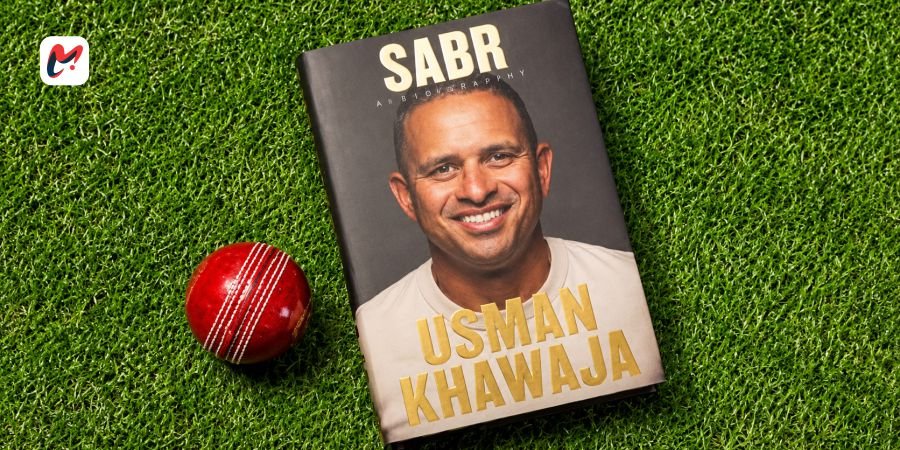
However, this issue has once again found its way into the limelight after the publishing of Australian cricketer Usman Khawaja’s autobiography named “Sabr: Finding My Way in Cricket and Life”. In his book, Khawaja brings up the incident that occurred during the 2018 South African Tour, where he shares the details about the event.
Khawaja’s disclosures have brought a new perspective to this whole controversy. According to Khawaja, the news about ball tampering was known to people other than those three individuals that were penalized for it. This was because the talks about the ball tampering took place often among the team members.
However, Khawaja is aware of the place he occupies in the Sandpapergate himself. Even though he argues that he did not actually scratch or interfere with the ball, he still admits to being aware of what was going on and not objecting to it. This makes the issue more complicated since there is now a question about the distinction between taking part and being a witness.
Another remarkable thing about his description of events is his view that the team should take collective responsibility rather than leave it to be taken by a handful of players. Such an approach calls into question the established interpretation of the Australian Ball-Tampering case and invites the rethinking of the culture of the Australian dressing room.
Differing Accounts and Unanswered Questions
The disclosures made by Khawaja have not been accepted universally. There have been some of his ex-teammates who have had different memories about the incident, which shows the complexity in getting a consensus on things that took place years ago.
Former player David Warner has come forward in support of Khawaja’s disclosures, whereas the fast bowler Mitchell Starc has maintained that he was one of those who were not aware of the fact that any foreign substance was being brought on the field to manipulate the ball. This is another issue that has opened up debate about the knowledge of the individual players.
There have also been comments from Cricket Australia saying that the organization feels comfortable with its previous decision and finds no convincing reason to reconsider it.
These issues show why Australian Ball-Tampering Scandal is such a sensitive issue. It is not only a question of finding out the people responsible for the breach of rules. It is also a matter of understanding the environment in which things happened.
Beyond the Sandpapergate: A Lesson in Leadership and Accountability
However, according to Khawaja, returning to this topic again is not only about rehashing an old debate but rather about raising a question about the professional norms and integrity under competitive pressure.
Also, his story shows us that the effects of the Sandpapergate go far beyond bans or lost matches. It can affect reputations, friendships, relations within a team and, eventually, its image in general. And even after the players will return to the field, the effects of this situation will be felt.
Finally, Australian Ball-Tampering Scandal teaches another valuable lesson for future generations of cricketers – success does not always equal wins, ranks or personal achievements. The way you achieve these goals is as important as the success itself. There should be enough transparency, mutual respect and readiness to speak out against any actions that violate the spirit of the sport within the team culture.
A Chapter That Continues to Shape Australian Cricket
Eight years since the Cape Town debacle, the conversation regarding the most notorious case of ball tampering in Australian cricket history remains ongoing. Khawaja’s book presents a personal narrative, which questions the existing views, as well as highlights the ongoing divide among former team members.
What makes the Australian Ball-Tampering scandal relevant is not only the events on the field but also the challenging issues that it poses regarding accountability, integrity and leadership. It shows that restoring confidence is not merely about serving suspensions and making statements. It also involves the readiness to review previous decisions and acknowledge their consequences.
In the end, Khawaja’s book contributes another episode to a saga that Australian cricket failed to put to rest. Whether his insights will shed new light on the scandal or just make the debate even more heated, one thing becomes apparent: the integrity of a sport is inseparable from the values of its representatives.