
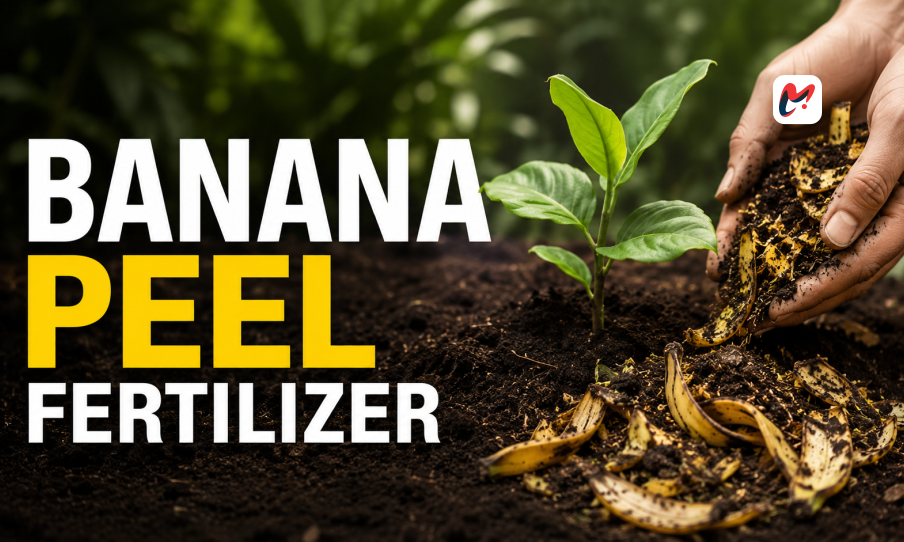
Out there among kitchen scraps lies a quiet power few notice at first. Instead of tossing leftovers, garden lovers find magic in what gets thrown away every day. Banana peels, left to break down, become something far beyond trash – they feed life back into tired pots. Inside each curling peel hides potassium, ready to move into soil when given the chance. Skip the lab-made powders; real strength sometimes comes soft and brown from last night’s fruit bowl. When broken down properly, those peels stir activity deep below leaves and roots alike. A touch here, applied just once weekly, may spark greener stems than expected.
The Hidden Nutrition in Fruit Leftovers
Banana peels earn praise among backyard growers because of their hidden richness. Not everyone realizes the tough outside holds more than just leftovers. Potassium floods those yellow layers – same nutrient people chase in smoothies. This element keeps green life steady, guiding roots to drink well, cells to stiffen, leaves to resist invaders. Once buried near roots, the rotting rind leaks its treasure bit by bit. Plants stand taller, breathe easier, fight off mold and mites without drama. Strength builds quietly when earth sips this kitchen scrap slowly.
Not just potassium, those thrown-away peels carry tiny bits of helpful stuff like magnesium, phosphorus, along with calcium. Inside every leaf’s green glow, magnesium plays a main role – it’s what makes chlorophyll work, fueling sunlight capture. Root growth gets a quiet boost from phosphorus, especially when new plants settle into fresh pots. Using banana skin feed regularly means steady nourishment – no harsh jumps in chemistry – just balanced support for houseplants doing their daily life tasks.
Safe Preparation Methods for Houseplant Care
A common mistake among beginners is simply tossing whole, raw skins directly onto the surface of a flowerpot. Doing this is a recipe for mold, fruit flies, and unpleasant odors in your living space. To craft a safe banana peel fertilizer, you need to process the material so that it integrates cleanly into the growing medium. One of the easiest and most popular methods is creating a liquid infusion, often referred to by gardeners as a botanical tea. To do this, chop the skins into small pieces, submerge them in a clean glass jar filled with water, and let them steep for a few days before straining the liquid and diluting it to water your plants.
If you want a more shelf-stable option that can be stored for months, dehydrating the material is an excellent route to take. You can lay the pieces out in the sun, bake them on a low setting in your oven, or use a dedicated food dehydrator until they are completely brittle and snap easily. Once dried, grind them into a fine powder using a blender or a mortar and pestle to create a dry banana peel fertilizer. This nutrient-rich dust can be lightly scratched into the top inch of your potting soil or mixed thoroughly into a fresh soil blend during your spring repotting routine, providing a steady release of minerals every time you water.
Maximizing the Benefits and Avoiding Common Pitfalls
While using organic waste to feed your garden is an admirable practice, it is vital to remember that a single ingredient cannot fulfill every single dietary requirement of a living organism. Because a pure banana peel fertilizer is highly concentrated in potassium but quite low in nitrogen, using it as your sole source of plant food over a long period can lead to nutritional imbalances. Nitrogen is the primary driver of leafy green growth, so pairing your homemade fruit blends with a nitrogen-rich amendment, such as diluted coffee grounds or an organic fish emulsion, creates a much more balanced feeding regimen for your leafy tropicals.
In addition to balancing nutrients, moderation is key when applying your homemade mixtures to indoor containers. Because indoor potting soil lacks the complex web of earthworms, robust fungi, and diverse microbes found in outdoor garden beds, organic matter breaks down at a much slower rate inside a house. Applying heavy amounts of banana peel fertilizer too frequently can create a dense, suffocating environment for sensitive roots or attract unwanted gnats to your living room. A good rule of thumb is to apply your liquid infusions or powdered amendments once every four to six weeks during the active spring and summer growing seasons, dialing back completely during the darker winter months.
Cultivating a Greener and More Sustainable Home
Embracing DIY garden solutions is about more than just saving a few dollars at the local nursery; it represents a meaningful shift toward a zero-waste lifestyle. Transforming your daily kitchen scraps into a potent banana peel fertilizer allows you to participate directly in a localized nutrient cycle, keeping organic mass out of landfills while actively enriching your domestic environment. Your plants will reward your resourcefulness with sturdier stems, glossier foliage, and a much higher resistance to common indoor ailments. By mastering this simple recycling technique, you bridge the gap between conscious daily living and successful, thriving indoor horticulture.