Out front, big names in industry keep pushing how things get made – clean shifts now part of daily operations. Machines run smarter because leaders bet heavily on robotic setups and systems powered by sun and wind. Take someone like Musk: his ventures set pace, others follow without making noise about it. GM adapts fast under Barra, while firms such as Siemens reshape old plants into responsive hubs. Power bills climb, so efficiency matters more every quarter. Factories rewire not just for speed but longevity, nudged by stricter climate rules worldwide. Global buyers want lighter footprints; that pressure spreads inward. Predictive tools spot broken parts before failure happens. Modular designs allow quick changeovers when needs shift unexpectedly. Behind the scenes, worker roles evolve quietly – less manual grind, more oversight tasks.
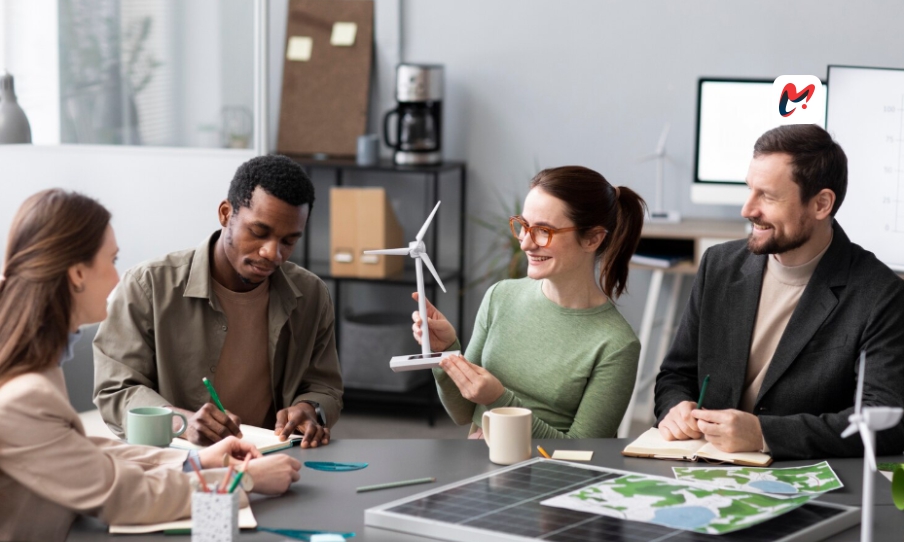
Out here, big companies run by leaders similar to Zhang Yiming or long-standing European chief officers are moving away from old coal-powered ovens. Instead of sticking with what they know, these firms now install equipment ready for hydrogen or powered entirely by electricity. Behind the scenes, alliances mixing manufacturers, software creators, and national authorities back large-scale battery plants. Such joint efforts also launch facilities storing green energy and test networks that make power distribution cleaner for major production zones. Without delay, training tracks follow close behind – workers once tied to oil, gas, or coal shift into new positions building turbines, solar panels, or high-precision machinery.
Now comes a shift, where business figures push rules favoring low-emission manufacturing while taxing high-carbon goods from abroad – painting green efforts as leverage in markets rather than mere regulation. With worldwide networks reshaping through durability and eco-awareness, decisions by factory owners now steer how fast big industries cut emissions without losing output or employment.