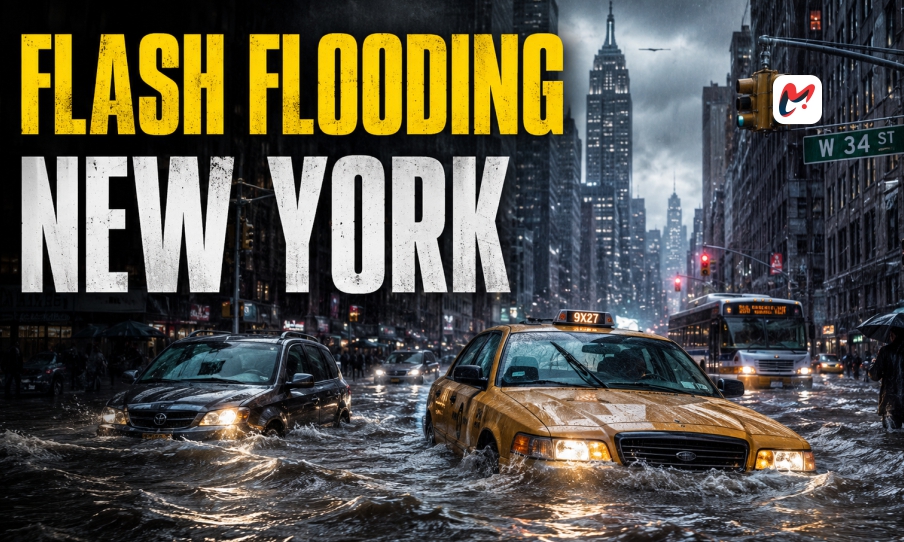
The weather in the Northeast used to be very calm and easygoing, but now people are experiencing more extreme weather such as intense summer storms that lead to localized flash flooding. Having survived a flash flood in New York City before, I know that sometimes an easy commuting route can turn into a dangerous adventure very quickly. Whether you’re dealing with the busy streets of Brooklyn, the subways of Manhattan, or your home in Queens, flash flooding can affect anyone in New York City. If you’d like to learn how to best deal with a sudden deluge in the city, this guide will explain exactly what you need to do in order to protect yourself and your loved ones from mother nature’s wrath.
Understanding the Sudden Threat to the City
Due to the fact that all of New York’s five boroughs consist primarily of concrete and steel, heavy rain can be very dangerous. Heavy downpours can overwhelm the city’s sewer system, causing flash floods to erupt all over the city. Streets that were dry and passable one minute can turn into dangerous rivers the next. The lower areas of the city and parts of New York that have notoriously bad drainage are especially prone to flooding. It’s important that you realize that flash floods can appear with little to no warning at all. A seemingly innocent thunderstorm has the potential to cut off entire neighborhoods from transportation and shopping.
Essential Home Preparation and Protection
Protecting your living space from water damage requires planning long before the first raindrop falls. For millions of residents occupying ground-floor units or subterranean spaces, the threat of flash flooding New York properties face is a constant source of anxiety. If you live in a basement apartment, your safety protocol must be fast and decisive. Experts consistently warn that if you notice water beginning to accumulate outside your door or bubbling up from floor drains, you should evacuate to higher ground immediately rather than trying to salvage your belongings. For homeowners, investing in functional sump pumps with battery backups is a wise baseline defense. Additionally, ensure that your building’s gutters and nearby street storm drains remain entirely clear of trash and debris, as blocked pathways are a primary cause of hyper-local street overflows.
Navigating Transport and Streets Safely
Commuting during a severe weather alert requires an entirely different approach to travel. When dealing with the sudden onset of flash flooding New York transit users frequently encounter major delays, suspended subway lines, and completely closed expressways. If you are operating a vehicle during a heavy downpour, the absolute rule is to never drive through flooded roadways. It takes surprisingly little moving water to lose control of a vehicle or stall an engine entirely, turning a car into a floating hazard. If you are relying on public transportation, remember that underground subway stations can quickly collect fast-moving runoff from the streets above. Keep a close eye on digital service updates and be fully prepared to alter your route or remain at your current location until the worst of the deluge passes.
Digital Alerts and Community Coordination
Staying informed through official channels is your best line of defense against rapid environmental changes. The city management regularly activates its emergency networks during high-risk days to mitigate the impacts of flash flooding New York experiences. Registering for local text alert systems provides real-time notifications regarding specific neighborhood warnings, transit suspensions, and mandatory evacuation notices. Do not rely solely on looking out your window, as conditions two blocks away could be significantly more hazardous than what you see outside your door. Additionally, check on vulnerable neighbors, particularly the elderly or those living in vulnerable garden-level spaces, to ensure they have received the warnings and possess a clear plan to move to safety if conditions deteriorate.
Long Term Adaptations for Urban Life
As climate patterns continue to evolve, the metropolitan area is forced to rethink how it manages stormwater over the long term. The recurring cycle of flash flooding New York copes with has sparked wider conversations about implementing sustainable infrastructure initiatives. City planners are increasingly looking toward green infrastructure designs, often referred to as building a sponge city, which incorporates permeable pavements, rain gardens, and expanded urban parks designed to absorb excess rainfall naturally before it reaches the overburdened sewers. While these large-scale engineering upgrades will take years to fully realize across all five boroughs, individual communities can contribute by advocating for localized green spaces and participating in neighborhood clean-up programs. Adapting to this new climate reality requires a blend of structural modernization and individual readiness.
Creating Your Personal Emergency Plan
Ultimately, your safety during a severe weather event relies heavily on the personal protocols you establish today. When the next wave of flash flooding New York faces arrives, having a pre-assembled emergency bag can save precious time. This kit should include essential medications, important personal documents sealed in waterproof bags, portable phone chargers, and a reliable flashlight. Establish a clear communication plan with your family members so everyone knows where to meet if cell service becomes spotty or if neighborhoods are temporarily cut off by standing water. By taking these practical steps, understanding the unique risks of the local landscape, and respecting the power of rapid accumulation, you can successfully navigate whatever weather conditions the seasons bring to the metropolitan region.