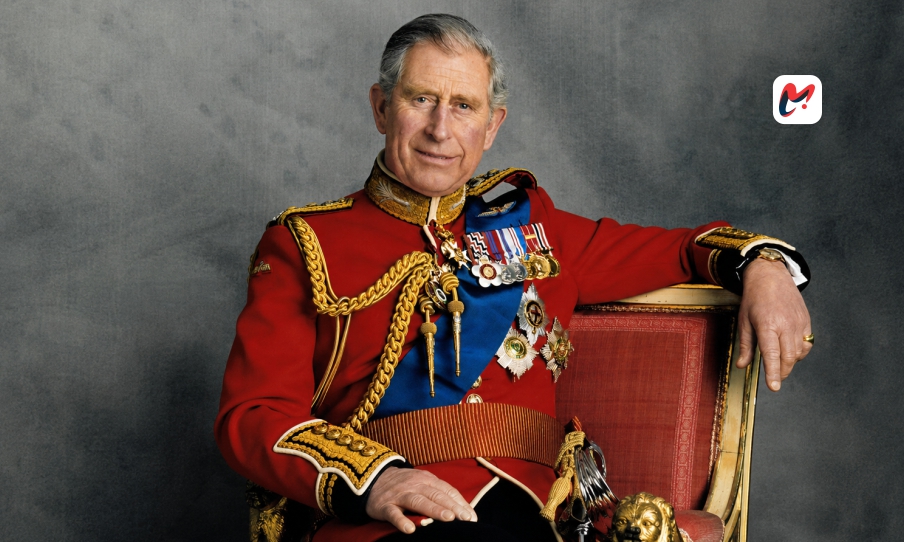
The British monarchy has seen its share of events shaping the country’s history, but few of them occurred as momentous as the accession of King Charles III to the throne. After the death of Queen Elizabeth II, her son Charles became the king, leading the UK through the following years of unprecedented change.
The new king had been preparing for his royal duty during more than 70 years. He was known to the public, having performed his duty as the Prince of Wales for decades. During this time, he expanded his activity, engaging in various environmental, cultural, and charitable movements. Now, his work has drawn worldwide admiration, with people approving of his decades-long dedication to ecological causes. However, not everyone welcomed the new head of state, questioning the monarchy’s relevance and its role in contemporary times. Nevertheless, his reign has begun, and it will leave its mark on history.
A Legacy That Was Prepared for Decades
While most of the country’s previous rulers were forced to deal with the realities of monarchy after their unexpected ascension to the throne, Charles could review the situation with full knowledge of the upcoming challenges. Indeed, the new king had been training and preparing for more than seven decades for the day he would rule the country.
During this period, he had been representing the Crown abroad, participating in more than 700 official overseas visits. Moreover, he supported dozens of charitable foundations, helping numerous organizations achieve their goals of developing youth initiatives, education, architecture, and environmental movements. As a result, more than 10,000 young people have gained valuable work experience, obtained qualifications, and received essential support from charity, providing them with real help and practical knowledge.
His long preparation also meant that he entered the throne with a clear understanding of both tradition and contemporary challenges. That balance has become one of the defining characteristics of his reign.
A Modern Monarch with Traditional Responsibilities
Every British monarch must uphold centuries-old customs while remaining relevant in an ever-changing society. King Charles III has attempted to strike that balance by preserving constitutional traditions while embracing issues that resonate with modern audiences.
One area where his influence has been especially visible is environmental awareness. Long before climate change became a mainstream global concern, he spoke publicly about sustainable farming, biodiversity, and responsible resource management. Ideas that were once considered unconventional have gradually gained broader acceptance, giving renewed attention to his decades of advocacy.
At the same time, he performs the constitutional duties expected of the sovereign. These include meeting government officials, hosting visiting heads of state, attending national ceremonies, and representing the United Kingdom on significant occasions. Although political neutrality remains a cornerstone of the monarchy, the monarch continues to symbolize national continuity and stability.
Public Perception in a Changing Britain
The monarchy today operates in a vastly different environment than it did during previous generations. Instant news coverage, social media, and global public scrutiny mean every royal engagement receives widespread attention.
Public opinion regarding King Charles III varies across different age groups and regions. Some admire his experience, dedication to charitable work, and willingness to address long-term environmental concerns. Others question the relevance of the monarchy itself in the twenty-first century, reflecting broader discussions about constitutional reform and public expenditure.
Internationally, however, the British royal family continues to generate remarkable interest. Royal ceremonies, state visits, and historic events are watched by millions worldwide, highlighting the monarchy’s enduring cultural influence. Tourism connected to royal landmarks also remains an important contributor to Britain’s economy, attracting visitors eager to experience its rich history and traditions.
The King’s challenge lies in maintaining public confidence while ensuring the institution evolves without losing its historic identity. That delicate balance will likely define the success of his reign for years to come.
The Future of the British Monarchy
As Britain continues to adapt to changing political, economic, and social realities, King Charles III faces responsibilities that extend far beyond ceremonial appearances. His reign coincides with discussions surrounding the future of the Commonwealth, technological transformation, environmental sustainability, and the expectations of younger generations.
Observers expect continued emphasis on a streamlined monarchy that focuses on efficiency, public service, and meaningful engagement. There is also growing attention on how future generations of the royal family will contribute to the institution’s relevance in an increasingly connected world.
The King’s extensive experience provides a unique foundation for navigating these changes. Decades spent supporting charitable organizations, encouraging sustainable practices, and representing Britain internationally have equipped him with perspectives that differ from those of previous monarchs. Whether addressing national celebrations or representing the country abroad, his role remains rooted in continuity while acknowledging the need for gradual adaptation.
The coming decades will determine how historians ultimately assess this reign. Some may remember it for environmental leadership, others for institutional modernization, while many will simply see it as the beginning of a new royal era following one of the longest reigns in British history.
As expectations continue to evolve, King Charles III stands at the intersection of history and modernity. His leadership reflects the enduring nature of the British monarchy while demonstrating that even centuries-old institutions must respond thoughtfully to changing times. Whether viewed through the lens of tradition, public service, or international diplomacy, his reign represents an important moment in the ongoing story of Britain’s constitutional monarchy.